Vestberry
Vestberry is a portfolio intelligence solution designed for venture capital funds to maximize portfolio value through actionable insights, comprehensive portfolio monitoring, and automated data management.
If you own portfolio data, LP reporting and “the spreadsheet zoo” at your found, you feel like the person everyone reaches to at the end of quarter, when numbers don’t match, dashboards are outdated and three different versions of NAV are circulating in email threads.
You know intuition still drives deals and partners will always have strong views on founders and markets, but when portfolios grow past 50–100 companies, gut feel alone cannot reconcile KPIs across spreadsheets, support LP audits and explain follow‑on decisions in a way that stands up to scrutiny.
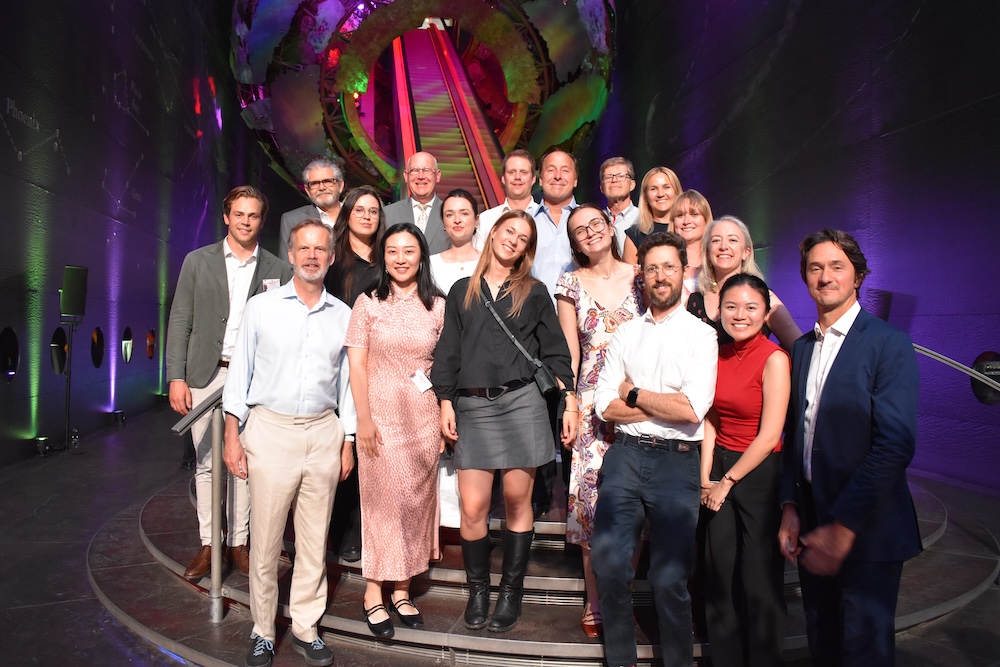
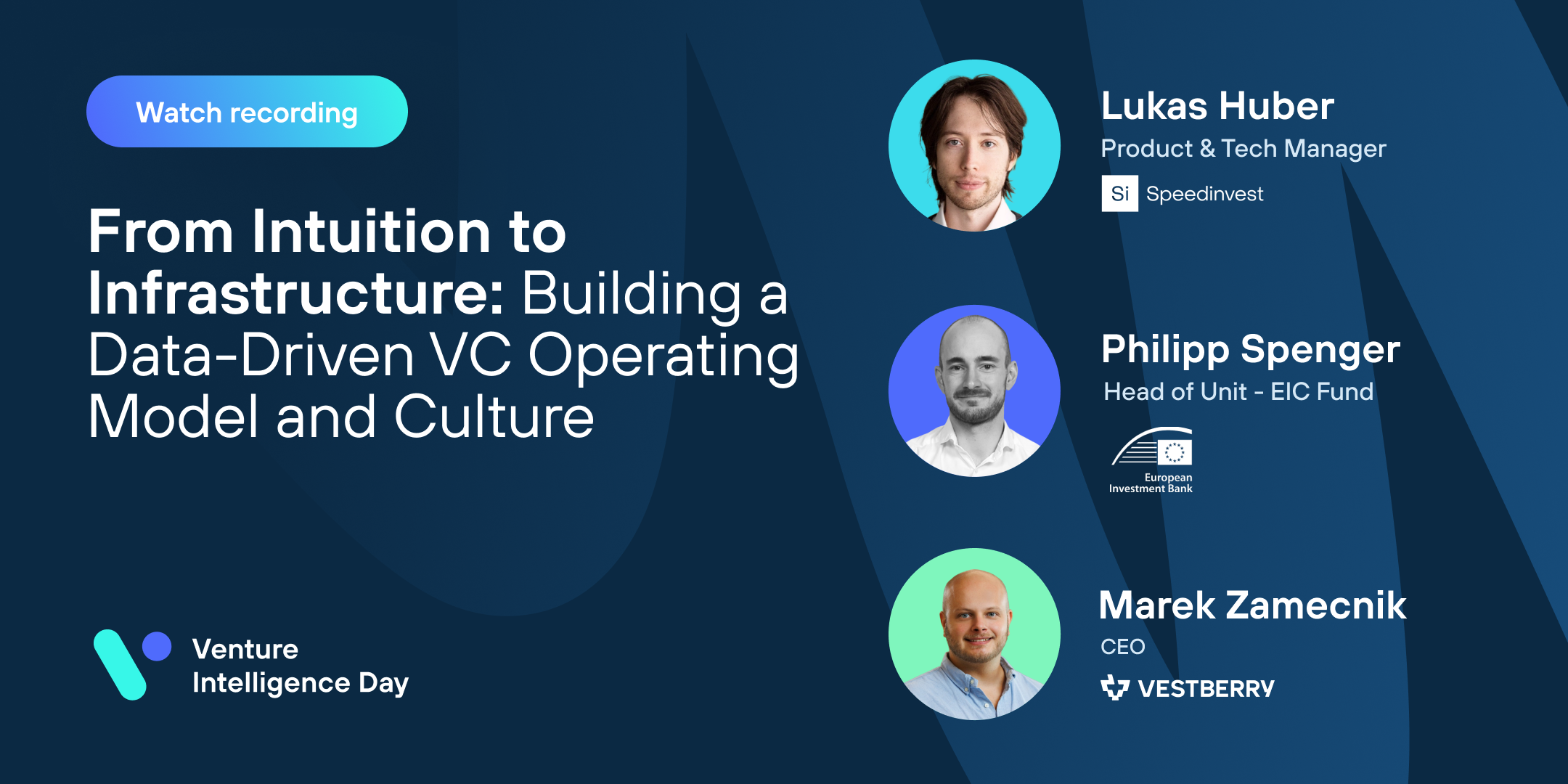
That’s the part we focused on in our recent webinar “From Intuition to Infrastructure: Building a Data‑Driven VC Operating Model and Culture”, hosted by Marek Zamecnik (co-CEO and co‑founder of Vestberry) in discussion with Philip Spenger (EIC Fund / European Investment Bank) and Lukas Huber (Speedinvest).
This article is Vestberry’s point of view on what a more operational data‑driven model looks like, with EIC and Speedinvest as examples of funds that are already moving in that direction. You can watch the full recording embedded below.
Everyone on the investment side agrees VC will never be a spreadsheet‑only business, because reading founders, markets and timing is still where edge comes from. The problems start when those qualitative judgments have to be turned into portfolio views, LP reports and follow‑on memos that rely on data scattered across spreadsheets, emails and board decks.
The people running portfolio data and reporting feel this gap first. They are the ones reconciling three versions of revenue for the same company, explaining why NAV moved between drafts, or answering “how does this deal compare to our other medtech/quantum positions?” on a tight IC deadline. In that context, arguments like “it’s a great team” or “the company is on track” are not enough on their own; they need to sit on top of a set of numbers the whole firm recognises as the reference.
Even though EIC and Speedinvest operate very differently, their high‑level blueprints for becoming more data‑driven look surprisingly similar.
The first ingredient is a single, trusted system of record for portfolio positions and transactions: at EIC, Vestberry plays this role as the single source of truth for their pan‑European book, while BI tools, CRM and collaboration systems read from that core instead of maintaining their own versions. In practice, quarter‑end starts from one set of numbers and sector or stage views can be generated without relitigating basic facts in every meeting.
The second ingredient is a small, well‑defined set of signals rather than a long KPI wishlist. Both organisations stressed the value of focusing on metrics that can be collected reliably across a large part of the portfolio and are clearly linked to decisions. For example, how entry valuations, total fundraising, dilution and runway differ across a handful of internal peers. Once those few signals are agreed and standardised, it becomes much easier to build IC materials and portfolio reviews that investors actually use, instead of dashboards that live on a separate URL.
Finally, both organisations emphasise distribution over sophistication by putting data directly into the materials and rituals where decisions happen, so that “how does this company compare?” can be answered with a slide or link, not a two‑week data project.
Technology only goes so far if teams don’t speak the same language about data. In the webinar, both speakers gave simple examples like “revenue” meaning different things depending on who you ask or which template you open, which is why funds that make progress usually start with definitions and expectations before tools. They align on what their core metrics mean, what is realistically collectable at pre‑seed versus growth, and how to balance LP requirements with founder reporting fatigue.
Only once that groundwork is in place does it make sense to talk seriously about AI. Here again, the tone was pragmatic: instead of trying to “automate VC”, the focus is on being AI‑ready and solving specific operational problems, such as searching across board decks and IC memos, pulling structured updates out of emails and PDFs, or drafting parts of investment memos from information that already lives in the system. In other words: clean data and shared language first, targeted automation second.
If there was one takeaway from the conversation, it was that becoming a more data‑driven VC is less about copying any single fund’s stack and more about adopting a set of operating principles:
For finance and portfolio leaders, that translates into a concrete next step: replace the “spreadsheet zoo” with an operational backbone that can support both day‑to‑day workflows and higher‑level portfolio monitoring.
At Vestberry, that backbone is a portfolio management system that acts as the single source of truth for positions and transactions and feeds the tools you already rely on for reporting, analysis and collaboration. If you recognise your own reality in the pains discussed above, you can see how funds like the EIC Fund use Vestberry as their single source of truth for portfolio data here.

Vestberry is a portfolio intelligence solution designed for venture capital funds to maximize portfolio value through actionable insights, comprehensive portfolio monitoring, and automated data management.